
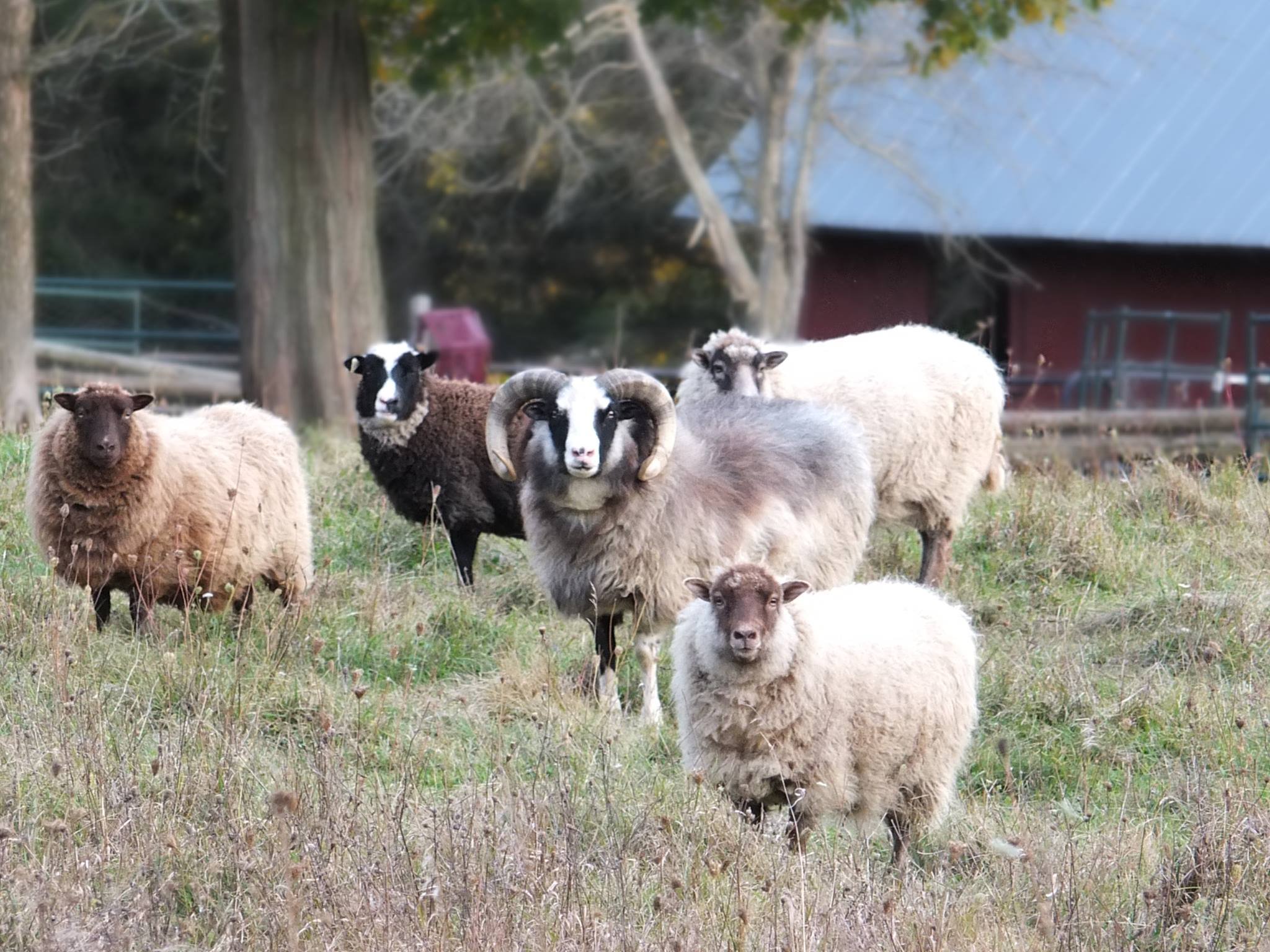
Sheep at the conserved Tracy Woods property.
South Hero Land Trust protects the natural and agricultural landscapes of South Hero through conservation projects. We work with willing landowners to facilitate protecting their land through conservation easements, wherein the landowner sells or donates his or her development rights to a qualified land conservation organization. In doing so, the landowner can be assured that the property will be protected in perpetuity.
South Hero Land Trust is a non-holding, non-acquiring land trust. In other words, rather than holding easements or titles to land, we partner with regional and statewide organizations that will ensure that the conservation value of the property is maintained in perpetuity. Our partner organizations who hold easements are the Vermont Land Trust, the Lake Champlain Land Trust, the Vermont Housing and Conservation Board, and the Vermont Agency of Agriculture, Food, and Markets. South Hero Land Trust acts as a facilitator between local landowners and larger easement-holding land trusts and state agencies. Our work includes fundraising, project planning, and easement drafting as well as the local landowner relations.
Want to know more about how conservation works? Check out our Conservation FAQs.
Conserved Lands
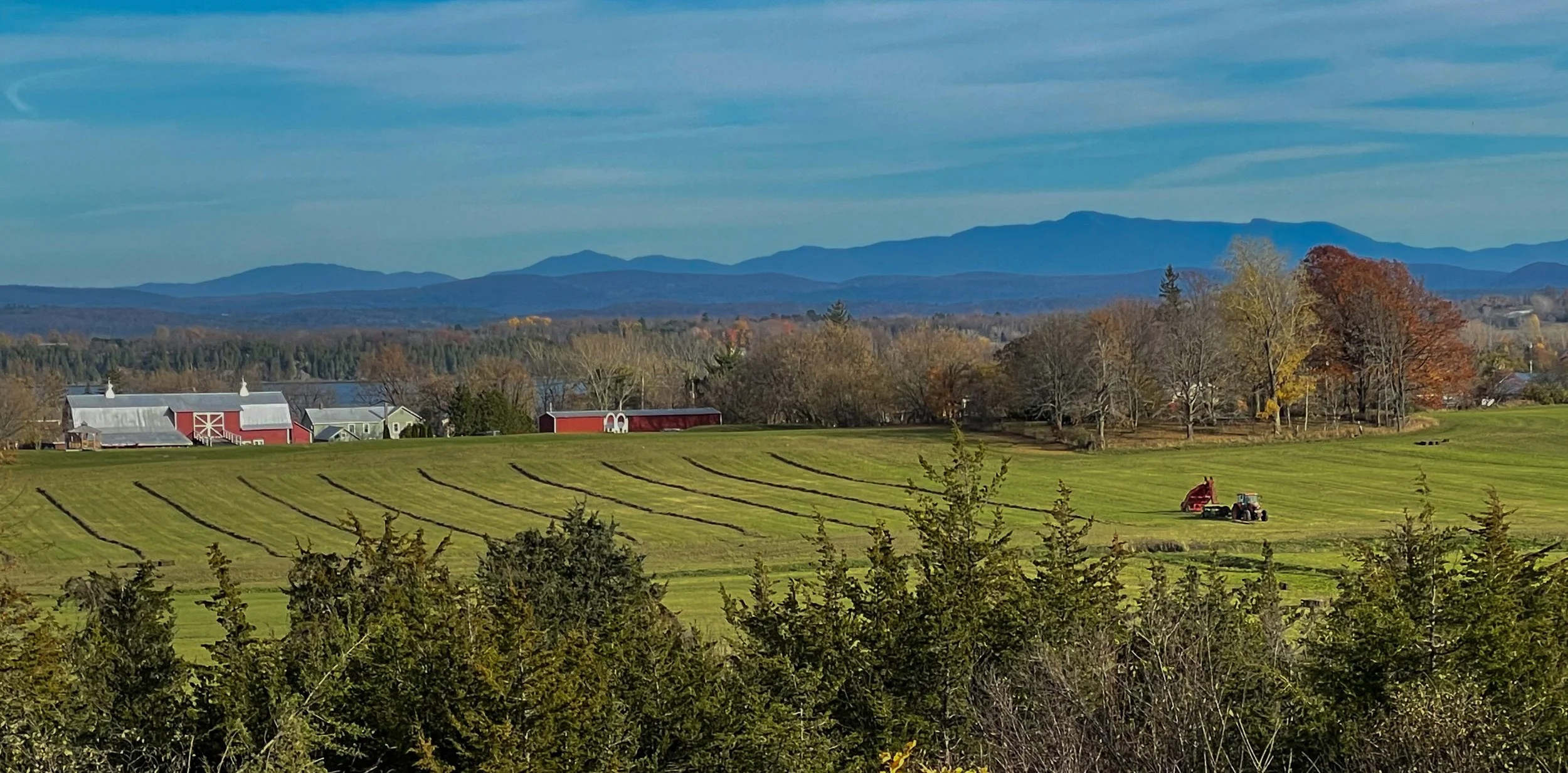
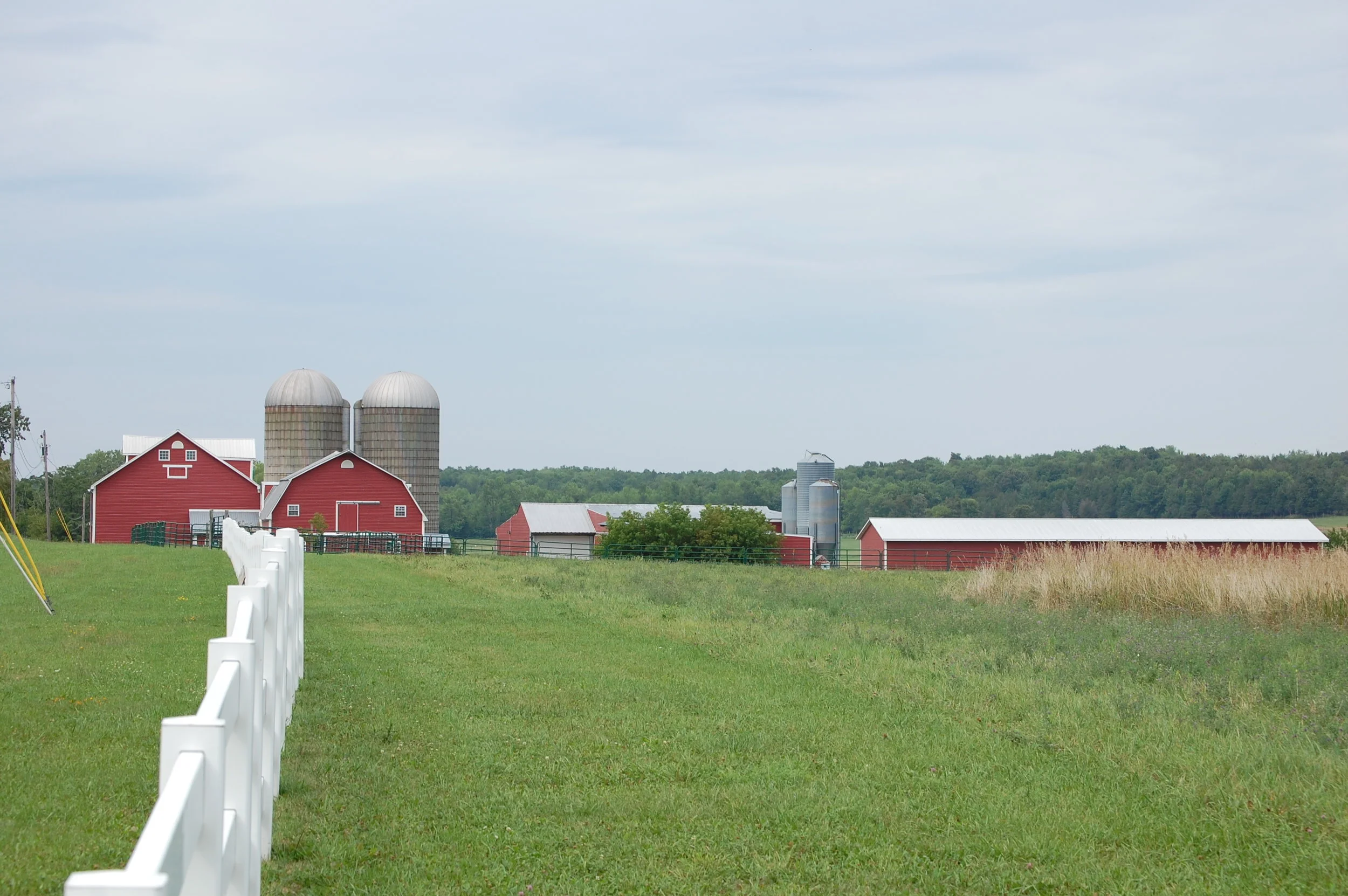
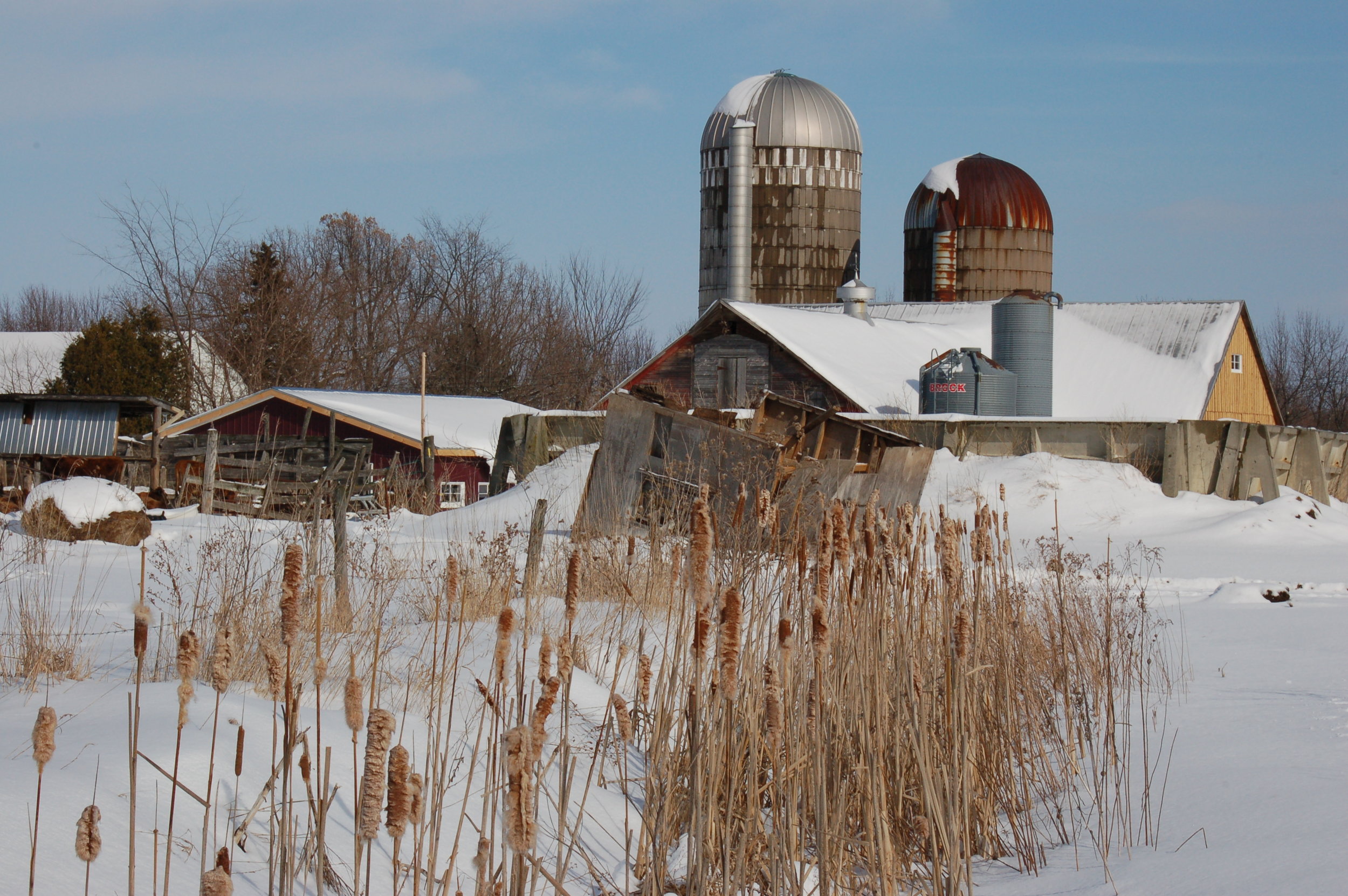
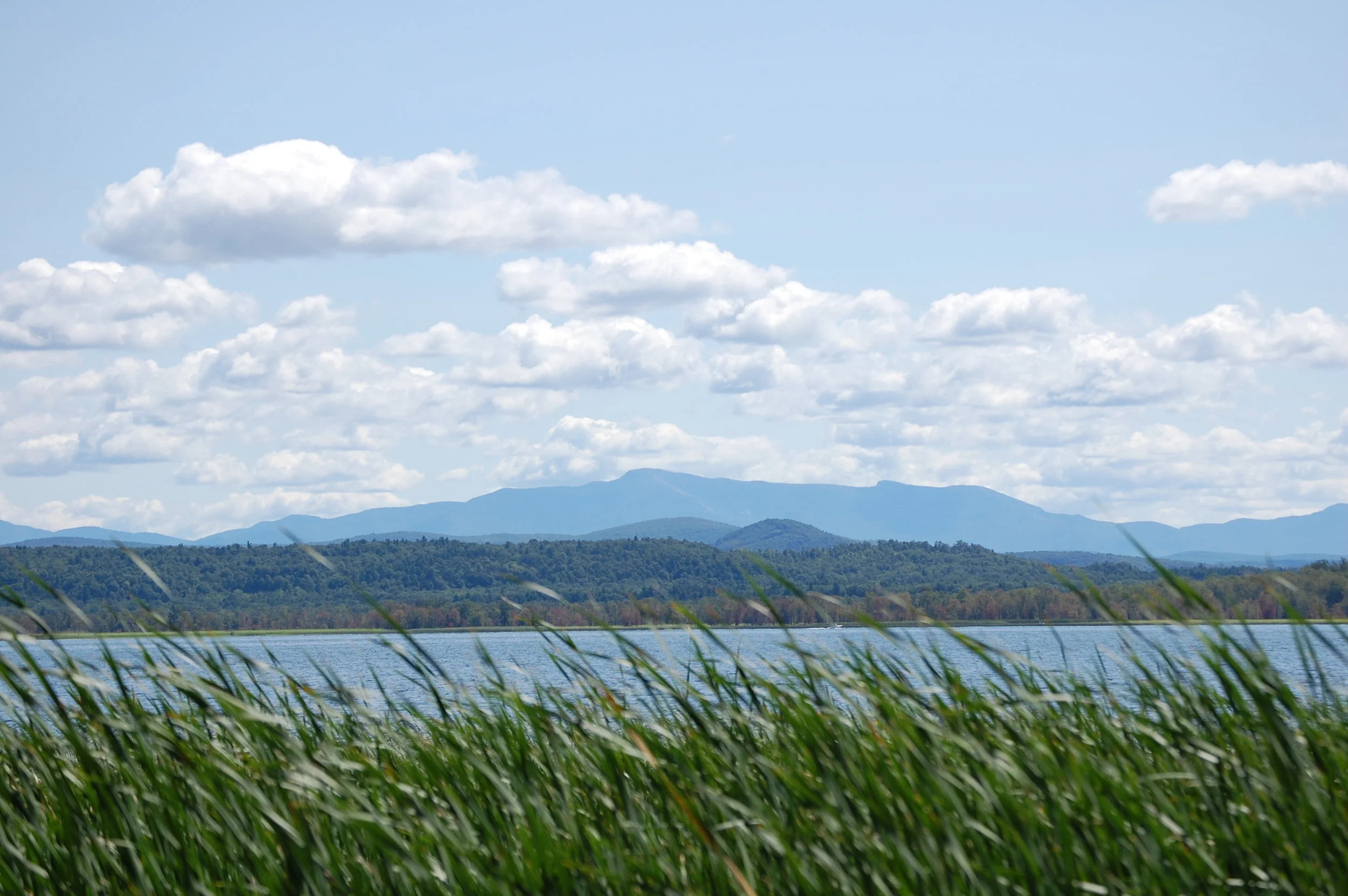
Over 2,050 acres of land has been conserved in South Hero, protecting farm land, natural areas, lakeshore, and scenic vistas of Lake Champlain and the Green Mountains. The map below shows the conserved properties in South Hero that SHLT has helped protect.
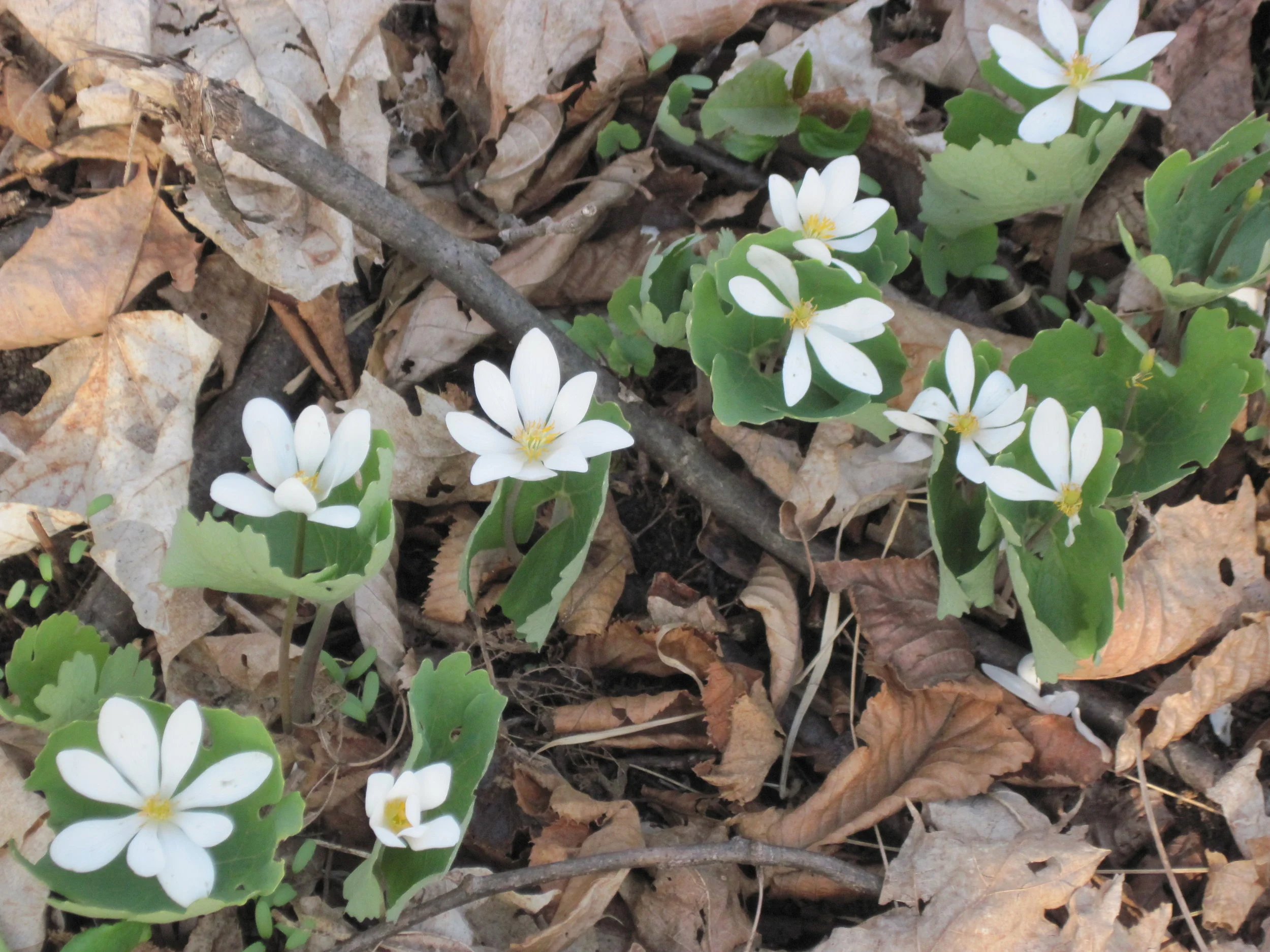
Click on the images below to learn more about the farms and natural areas that
South Hero Land Trust has helped to conserve.


Conservation FAQs
***For an even more comprehensive list of conservation FAQs, we recommend This Resource from the Land Trust Alliance ***
What kind of land does South Hero Land Trust conserve?
South Hero Land Trust protects farmland, woodland, natural and recreational areas, and other open spaces in South Hero. South Hero Land Trust primarily deals with large tracts of agricultural land and woodlands (usually 50 acres or more). We also conserve recreational lands, scenic lands, and important wildlife habitat. Additionally, SHLT can play a role in conserving land that the town deems important for municipal purposes.
How does South Hero Land Trust conserve land?
The most frequently used tool for conserving land is called a conservation easement (see below). South Hero Land Trust is a non-holding, non-acquiring land trust. In other words, rather than holding easements or title to land we partner with regional and statewide organizations such as Vermont Land Trust and Lake Champlain Land Trust, who will ensure that the conservation value of the property is maintained in perpetuity. In most cases land is conserved when a landowner voluntarily sells or donates a conservation easement to a holding land trust or state agency. In the case of the Landon Farm and Round Pond project, SHLT and its project partners purchased the property and donated a portion of the land to the State of Vermont’s Agency of Natural Resources to become Round Pond State Park. The Landon Farm portion was conserved and sold to a farming couple who were selected through a Request For Proposals (RFP) process.
What is a conservation easement?
A conservation easement is a legal document that permanently restricts the development potential of property that has significant natural, agricultural and/or cultural value. With a conservation easement, landowners protect their land without giving up ownership, and can continue to use the land for farming, forestry, recreation, education, and other non-development purposes. The easement runs with the land; the original owner and all subsequent owners are bound by the restrictions of the easement.
Conservation easements are flexible by nature. For example, areas around homes and/or farmstead complexes are often excluded. And, there can be provisions for future family housing needs, farm expansion, and in some cases, even limited sub-divisibility, as long as the natural resource values are protected.
Do conservation easements mean the land trust owns your land now?
No! After conservation the landowner still owns the land. Similar to a power-line easement, or a road right-of-way easement, a conservation easement is a simply a legal document held by a land trust, which is attached to that parcel, and spells out various rights pertaining to the land itself, in this case in perpetuity. Most easements in Vermont also have what’s called an OPAV attached to them, which stands for “Option to Purchase at Agricultural Value”. which limits the sale of the property to a family member or another farmer. This helps keep the land in farming, and allows conserved land to remain more affordable and accessible to the next generation of farmers.
In some circumstances a land trust might end up holding or owning land that was on the open market. For example the Landon Farm was purchased by a coalition of land trusts on the open market. Half was conserved with an easement, then re-sold to farmers at a more affordable rate, and the other half was conserved with an easement and donated to the public, which become Round Pond State Park.
Does owners of conserved land pay less taxes?
Generally no. Conserving land reduces a landowner’s rights to develop, and therefore reduces the value of their acerage. However, most open land in Vermont is already enrolled in the State’s Current Use Program, where landowners can reduce their property tax rate in exchange for keeping the land in long-term agriculture, forestry, and/or ecological stewardship. Land enrolled in the program, whether conserved or not, is usually taxed at lower than the municipal rate. And when taxes are based on how the land is actually being used (farming, forestry, etc.), rather than it’s “potential” use for real-estate development, it accurately reflects how open land almost always pays more in taxes than it requires in services. In addition, the effect on town tax revenue is neutral, as the state reimburses the towns for reduction in revenue from land in current use, a cost which is spread equally across all taxpayers in the state.
Does conserving land make everyone else pay more in taxes?
No, and in fact in Vermont studies have shown the opposite - that on average, tax bills are lower, not higher, in towns with the most conserved land. Also, studies of the cost of community services have repeatedly shown that open or forest land, even in current use, pays more in taxes than it requires in services.
Once conserved, is land off-limits to hunting and fishing?
No, that decision remains with the landowner, as with any other private property. Many landowners in the Islands post their property and carefully manage who can hunt there, regardless of whether it’s conserved or not. And conservation easements themselves generally do not directly address hunting and fishing. In fact, by protecting open spaces, conservation prevents sprawl which fragments habitat, ensuring wildlife populations have a chance to thrive now and into the future.
What does South Hero Land Trust fundraise for?
We raise funds to compensate land owners at a fair market rate for their development rights. Often landowners will donate all, or a portion, of the value of those rights, called a “bargain sale”, to reduce the cost of the project. Fundraising also pays for project management, appraisals, surveys, baseline documentation, other tasks to complete the project, keep the organization running, and steward the easement into the future.
Our most important source of funding is through donations. Though we obtain the bulk of our funding from state, federal, and private foundations, continued funding from these sources depends on our local support from members. In other words, local support determine our capability to conserve land in South Hero. The ability to compensate land owners at a fair market rate for their development rights is a goal of the land trust which can only be achieved through local funding from dedicated supporters. Because we work in partnership with other Land Trusts, South Hero Land Trust is able to substantially leverage any funds raised locally. Visit our donate page to make a contribution today!
Once conserved, is the entire parcel off-limits to development?
Usually not. We work with landowners to place conservation easements on those portions of a property which are most important for agriculture, wildlife habitat, water quality, and other natural features. However, most easements contain multiple “exclusion” areas, which usually include the area around any houses and/or farm buildings, as well as any areas the landowner might want to subdivide in the future.
As conservation easements are forever, this balance is essential to allowing for different types of farm operations over time, which may require more housing for labor, or more infrastructure, such as solar panels, which help the business adapt and grow. It also helps ensure that any development happening on farms is concentrated in the best places, i.e. near existing structures, along existing roads, and not near sensitive wetlands, or sprawl that fragments prime ag soils and/or wildlife habitat.